Nebraska: The Sandhills and the Platte River
Sandhill Cranes and Prairie Chicken
-
Mar 11-16, 2027
Frank Nicoletti
2027
Single Supplement $590


2027
Single Supplement $590
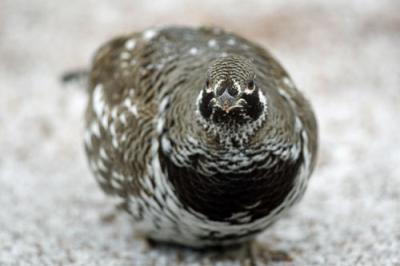
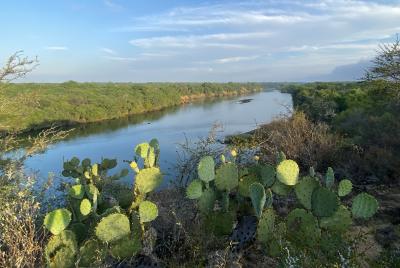
As it crosses the plains of central Nebraska, the Platte River hosts one of North America’s greatest wildlife spectacles. Each spring, several million birds stop over on their northbound migration, among them more than 500,000 Sandhill Cranes, some 80 percent of the world population. Every evening and morning, the cranes in their thousands fly to and from feeding grounds in nearby fields and wet meadows and roosting areas on the Platte’s broad channels and sandbars. We’ll watch them both arriving and departing. During the day, Greater Prairie Chicken are a major focus and we’ll observe their manic dancing displays at a site in the 20,000 wild square miles of Nebraska Sandhills.
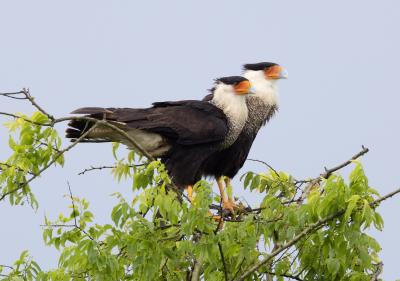
Other species regularly seen on our tour include Ross’s and Richardson’s Cackling Geese, Harlan’s Red-tailed Hawk, Baird’s Sandpiper, American Woodcock, Red-headed Woodpecker, Carolina Wren, Dark-eyed (Oregon) Junco, Harris’s Sparrow, and Eastern and Western Meadowlarks. Our relaxed schedule lets us appreciate fully the extraordinary concentrations of birds that make central Nebraska a world-class birding destination.
Day 1: The tour begins at 3:00 pm at our hotel in Carter Lake, Iowa, a short distance from Omaha’s airport. We’ll have an early dinner, then depart for nearby Lake Manawa where we hope for a variety of waterfowl, large numbers of gulls, in some years including Franklin’s and Lesser Black-backed, and the antic displays of American Woodcock. Night in Carter Lake.
Day 2: We’ll visit the upland and floodplain woodlands of Fontenelle Forest, a privately owned 1,600-acre remnant of eastern deciduous forest. Resident and wintering birds can include Red-headed and Pileated Woodpeckers, Winter Wren, Tufted Titmouse, ‘Red’ Fox Sparrow, and a number of other eastern species not likely elsewhere on our route. After lunch, we’ll drive around the area’s wetlands, hoping for waterfowl, shorebirds, and passerines including Harris’s and ‘Gambel’s’ White-crowned Sparrows. Night in Carter Lake.
Day 3: We’ll drive three-hours west to the central Platte River valley. At Grand Island, we’ll leave the interstate to drive Sandhill Crane-lined back roads in search of Bald Eagle, Baird’s Sandpiper, and American Tree Sparrow. Arriving in Kearney, we’ll have an early dinner and end the day on the banks of the Platte witnessing the amazing sight and sound of thousands of Sandhill Cranes flying to roost in the river’s shallows. Night in Kearney.
Day 4: We’ll leave pre-dawn for the south bank of the Platte where we’ll watch the cranes wake up and begin to pour out of their river roosts. We’ll return to Kearney for a late breakfast, then depart for the charming and historic town of McCook, situated on the flat Nebraska plains and next to the Republican River. We’ll arrive in McCook in the mid-late afternoon, check in to our hotel, and meet with our local guide and a Prairie Chicken biologist who can answer our questions about the Greater Prairie Chicken and chicken life. Attendance is required as visits to the lek are carefully controlled and our behaviors restricted. Night in McCook.
Day 5: This will be an early morning, but well worth it: we’ll leave with our local guide to visit the dancing grounds of Greater Prairie Chicken, viewing their amazing dance from behind specially made blinds. We’ll remain in our blind until the birds leave for their brunch, usually around 8:00 am, then return to McCook for our own hearty breakfast. Later, we’ll return to eastern Nebraska, a road trip which offers not only a chance to catch up on rest but as well stopping for a “missed” bird or two along the way. Night in Carter Lake.
Day 6: We may explore new areas, as well as revisit some of eastern Nebraska’s best hotspots, letting our choice be determined by any good birds discovered in our absence. A few days can make a big difference in late March, and we may find that Hermit Thrush, Eastern Phoebe, or other early migrants have arrived while we’ve been out west. We’ll return to Omaha’s Eppley Airfield around 11:30 am, where the tour concludes.
Note: The information presented below has been extracted from our formal General Information for this tour. It covers topics we feel potential registrants may wish to consider before booking space. The complete General Information for this tour will be sent to all tour registrants and of course supplemental information, if needed, is available from the WINGS office.
ENTERING THE UNITED STATES: Non-US citizens need a valid passport and may need a tourist visa. Consult your nearest US Embassy or consulate for details. Canadian citizens should carry proof of citizenship in the form of a passport.
PACE OF THE TOUR: Most of the tour takes place on level ground, with much of our birding on roads and wide trails. We will often be out in the field shortly after dawn, which sometimes requires a drive of 30 minutes or more. With the exceptions noted in the itinerary, we’ll eat breakfast before starting. Very early mornings will be followed by breakfast. Lunch will be at fast-food restaurants, sandwich shops or cafes. We will generally have a break before dinner to rest and clean up.
HEALTH: The Platte River region presents no real hazards to the visiting birdwatcher. Staying warm and dry in the changeable weather of an early Nebraska spring is the most important consideration.
Smoking: Smoking is prohibited in the vehicles or when the group is gathered for meals, checklists, etc. If you are sharing a room with a nonsmoker, please do not smoke in the room. If you smoke in the field, do so well away and downwind from the group If any location where the group is gathered has a stricter policy than the WINGS policy, that stricter policy will prevail.
Miscellaneous: Even in warm years, biting insects are scarce to non-existent at this season. Wood ticks, however, some of which carry Rocky Mountain spotted fever or other serious illnesses, may be present; they are best avoided by staying on paths and trails and out of tall grass.
CLIMATE: The Platte region in March experiences a wide range of weather conditions. It can be cold and windy, with temperatures in the 10- 20F range, but mild, sunny weather with readings from the 50s to 70s F is just as likely. Rain and snow are possible at any time, but rarely last more than a day at this time of year. Be prepared for cool to cold temperatures and wind, and be grateful when it turns out to be pleasant.
ACCOMMODATIONS: We will be staying at standard, comfortable motels with telephone,WiFi internet, and the usual amenities. Cell phone service can be elusive in the Sandhills.
FOOD: Our motel breakfasts are the standard modest buffets. Lunches will be at sandwich shops, cafes, or Runza Hut, Nebraska’s delicious contribution to the world of fast food. Our dinner destinations will include local restaurants and steakhouses.
Food Allergies / Requirements: We cannot guarantee that all food allergies can be accommodated at every destination. Participants with significant food allergies or special dietary requirements should bring appropriate foods with them for those times when their needs cannot be met. Announced meal times are always approximate depending on how the day unfolds. Participants who need to eat according to a fixed schedule should bring supplemental food. Please contact the WINGS office if you have any questions.
TRANSPORTATION: We will be traveling by leader-driven 12- or 15-passenger window van or by minivan, depending on the size of the group. Participants will change seats each day and should be able to ride in any seat in the tour vehicle.
2026 Narrative
March 11: The tour began at 3:00 pm at our hotel in Carter Lake, Iowa. After introductions and talking over some of the general instructions for the tour, we ventured to nearby Lake Manawa where we had great views of a variety of 18 waterfowl species in all plus some passerines which included our first looks at Harris’s Sparrow.
March 12: We started the first full day by visiting the upland and floodplain woodlands of Fontenelle Forest, a privately owned 1,600-acre remnant of Eastern deciduous forest. Birds found included Carolina Wren. We missed several species as temperatures were only 30 degrees and the preserve had a recent pre-scribed burn earlier in the winter which didn’t help with locating birds in the understory.
De Soto National Wildlife Refuge was slower for bird activity and most of the Snow Geese were just outside the refuge. However we witnessed the large flocks flying around in the fields. We were also treated to an adult Northern Shrike hunting and flying around a field inside the refuge. We also observed Bald Eagles on the nest and more waterfowl.
After dinner, we headed to Lake Manawa and watched the American Woodcock displaying and calling. We were able to view them returning to the same location repeatedly and view them with a flashlight within 30 feet. We were all very excited to witness the antics of woodcocks!!
We spent the night in Carter Lake.
March 13: After an early breakfast, we headed west for Kearney. On the way we birded several locations including Pawnee SRA where we managed to see 41 species. Some of the highlights included: Lesser Black-backed Gulls, American White Pelican and great views of waterfowl and various sparrows. We birded along the roadside watching tens of thousands of Sandhill Cranes and other assorted species of birds. We ended the day after dinner at the bridge at the Fort Kearney SRA, where we watched the cranes come in to roost along the Platte River with a beautiful sunset. We estimated the number at over 100,000 that evening.
March 14: With the previous night’s spectacular crane event, we decided to go back to see the lift off of the cranes. It did not disappoint!
After watching the lift off at the bridge, we headed to Rowe Sanctuary to see the last groups of cranes from the blind. We also picked up Greater Yellowlegs along with other species.
We arrived in the charming and historic town of McCook, situated on the flat Nebraska plains and next to the Republican River. We checked into our rooms, then went to our evening talk about the history and status of the Greater Prairie Chickens. Angus Garey, whose family has owned and worked the ranch since the 1870’s was a great treat to listen too. He discovered the Lek in the 1960’s and continues to keep the land managed for the chickens. After a quick dinner, we opted to get to sleep early in anticipation of an early and exciting morning of Prairie chicken watching.
March 15: Carol Schlegel, our resident guide, picked us up at the hotel and drove us to the Lek site in the dark. Despite winds at 40 plus mph, and temperatures in the low 30’s, the Greater Prairie Chickens did not disappoint us.
While watching the 11 male prairie chickens, we had the great pleasure of watching a Northern Harrier and Prairie Falcon interacting together and then the falcon did a very close flyby in front of the blind.
After a hardy breakfast at a local bakery in town, Angus and his wife were able to join us. There we were able to hear the history of the Lek.
Before leaving McCook we stopped at the local town park where we had excellent views of Ross’s, White-fronted and Cackling Geese plus we picked up Rusty Blackbird among other species.
We headed for Funk WPA with the tough weather continuing from the morning. We were very pleased to find a very cooperative flock of Lapland Longspurs in various stages of plumage. On the way toward Kearney we saw about 100,000 cranes and lots of Snow Geese.
March 16: We ventured out again to Manawa Lake where we had temperatures of 8 degrees, a stiff wind at 15 mph and an inch of snow and ice. These conditions made viewing the sparrows along the roadside excellent and we had nearly 200.
We also had all the ducks concentrated along the west side of the lake which made for great viewing. In just two hours we found 50 species of birds. It was certainly a nice way to end the tour.
We enjoyed each other’s company on the tour and bonded on our birding travels. We will always have these memories.
-Frank Nicoletti, 2026
I did manage to get more lifers on this trip than I was expecting, and Frank was excellent at getting us to locations where we would see the birds.
- David A. on Nebraska: The Sandhills and the Platte River
Frank made the experience “excellent” if there had been a higher option, I would’ve rated it even higher. Frank is the best and made me feel so welcome.
- Hannah L. on Nebraska: The Sandhills and the Platte River
Frank was the best tour leader I could hope for. He has an incredible wealth of knowledge and his ID skills are amazing. He made sure everyone had plenty of time at the scope and before leaving each location asked if we were all ok about moving on. He’s a great teacher and took time to answer any questions patiently, plus he’s got a great personality and sense of humor. He’s the main reason this tour was so enjoyable. He made everyone feel welcome and included. I hope I get to bird with him again.
- Richard R. on Nebraska: The Sandhills and the Platte River
Snow Geese in flight (Jake Mohlmann)

Maximum group size seven with one leader.